Inside the course
Signal — what you notice in the work.
Principle — what that signal means for learning.
Show me — an action the student takes that you can examine.
The instructor interprets the response and decides what follows.
Teaching and Learning in the Age of AI
Green Pen Framework is a human-judgment feedback loop that connects student work, instructor decisions, and course improvement.
When a student’s most promising thinking does not fit the rubric, the instructor has a decision to make. GPF helps the instructor notice it, ask the student to show more, and record what the response supports.
Its distinctive move is to bring that judgment back to the assignment. When the same conflict recurs, instructors have evidence to bring to the people who can change the course. The criteria, as well as the student’s work, remain open to examination.
For Programs · Paid Workshop
A working session for writing programs, faculty developers, and academic leaders. Faculty bring one assignment and leave with a focused response, a plan for examining what follows, and a question for course review.
What learning can we claim? What evidence warrants it? Who can act? These questions connect the next grading decision to the program’s responsibility for learning.
Fees: Inquire. Scope, format, and availability are agreed before booking.
Explore the workshopThe Feedback Loop
Signal — what you notice in the work.
Principle — what that signal means for learning.
Show me — an action the student takes that you can examine.
The instructor interprets the response and decides what follows.
When the same signal recurs across students, it may reveal a problem in the assignment. Record the pattern, consider other explanations, and bring the evidence to whoever can revise the course.
The loop closes when that decision informs the next assignment and its teaching.
See all five steps →Free Tools for Instructors
Choose an assignment you already teach. Use the card to focus a response, then examine what the student does. Bring the result to a colleague: did it support your interpretation, change it, or leave the question open?
One printable page: the steps, a worked example, and a stopping rule.
Download the card · PDF, 1 page ↓Fill in Signal / Principle / Show me. Three examples show how to interpret what follows.
Download the fillable template · PDF, 2 pages ↓Read Roger’s Faculty Focus article: “Four Questions to Ask Before You Grade This Fall”
Working aids and demonstration · September 6, 2026
In Practice
When several students omit the same part of a final project, each needs an opportunity to respond. The program also needs to ask why the omission keeps happening. Did students overlook the requirement, struggle with the task, or encounter a problem in its design?
Read “When Half the Final Project Is Missing” →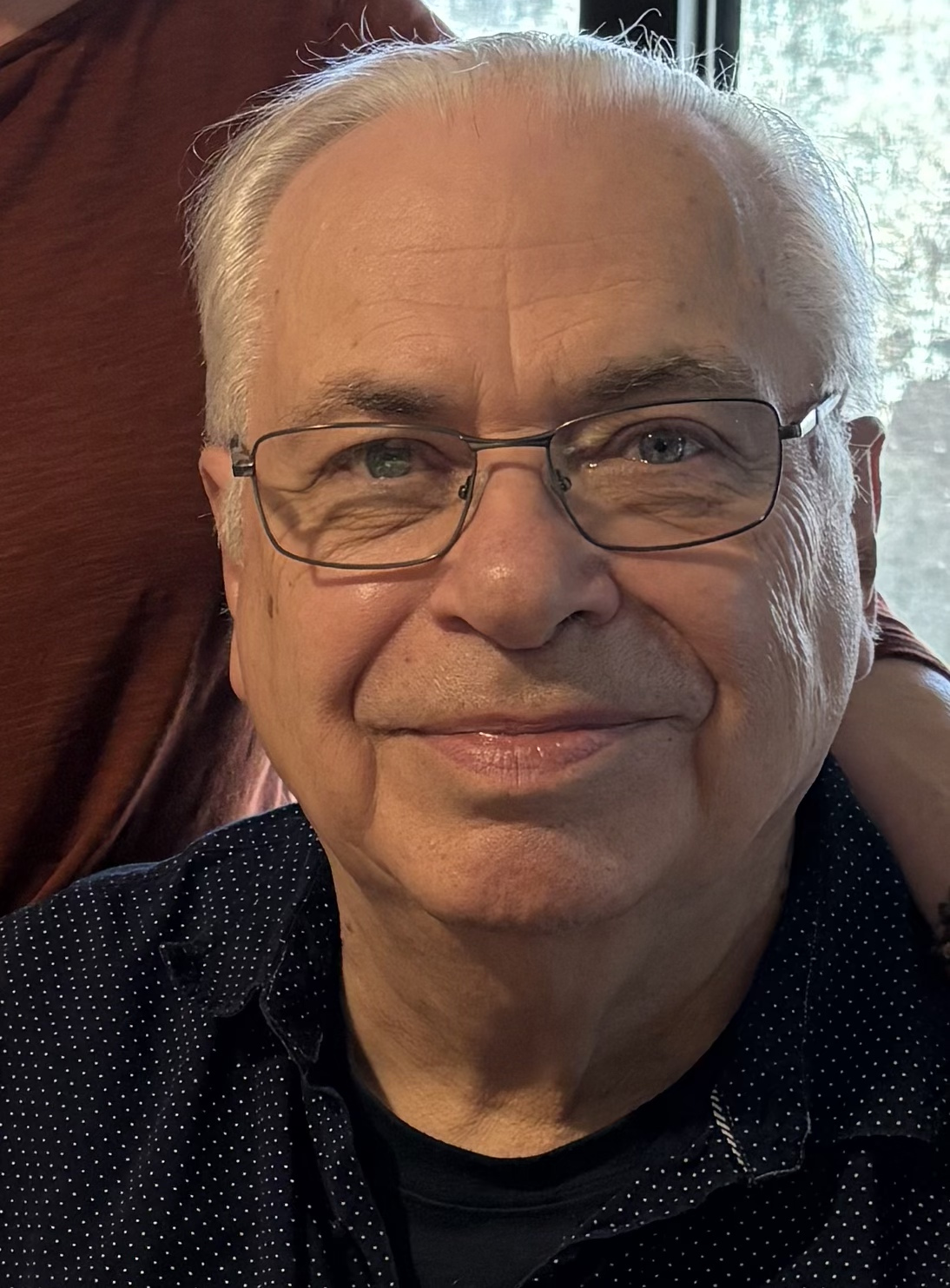
The Origin of the Green Pen
Beside my computer lay a green pen. It reminded me to look for what was promising in a student’s writing, especially when the submission was difficult to read or the student seemed resistant to advice.
In September 2022, I wrote about it for SNHU’s Composition Newsletter. The question was one I had wrestled with throughout my teaching: how could I respond as both coach and judge? Students needed confidence to attempt the work, and they deserved honesty about how to improve it. The pen was a small reminder of the responsibility I carried into each response.
I ended the piece with a regret: “I wish I had used the Green Pen earlier in my teaching career.”
The questions continued to grow. What did a finished paper actually show that a student understood? What should I ask next? What happened when a recurring difficulty pointed toward an assignment or policy I could not change? Generative AI gave those questions new urgency.
The Green Pen Framework grew from that continuing inquiry. The original commitment remains: find something worth developing, tell the truth about the work, and leave the student with a meaningful next move.
Roger Ochse · Professor and Honors Director Emeritus, Black Hills State University · Currently teaches writing at CTU and SNHU
About RogerThe Research
GPF draws on more than forty years of college teaching and Roger Ochse’s scholarship on faculty judgment, assessment evidence, and institutional authority.
Four Questions to Ask Before You Grade This Fall · Faculty Focus
A Grading Method for People with No Time to Spare · Academe Blog
All writing and research →